
A fad is something that becomes very popular for a short time and then quickly loses attention.
The word often describes a temporary fashion, activity, product, idea, or social trend.
For example, a toy may become a fad among children, or a new style may become a fad on social media.
The word can sometimes suggest that the popularity is driven more by excitement or imitation than by lasting value.
People look for alternatives to fad for several reasons.
You may want a more formal word for an essay, a neutral term for business writing, or a more conversational expression for everyday speech.
However, not every alternative has exactly the same meaning. Words such as craze, vogue, and fashion overlap with fad, while expressions such as passing trend, short-lived phenomenon, and flash in the pan add a specific meaning.
Choosing the right word depends on how temporary, popular, fashionable, or intense the subject is.
Quick Answer
The closest synonyms for fad include craze, vogue, fashion, trend, mania, sensation, rage, and passing trend. The best choice depends on context. Craze suggests strong excitement, vogue emphasizes popularity at a particular time, trend is more neutral, and passing trend clearly emphasizes that the popularity is temporary.
Quick List of Alternatives
Here are useful alternatives to fad, grouped by meaning and tone:
Closest alternatives
- Craze
- Vogue
- Fashion
- Trend
- Mania
- Rage
- Sensation
- Popular craze
- Passing trend
- Temporary trend
Formal or neutral alternatives
- Short-lived trend
- Temporary fashion
- Contemporary trend
- Popular tendency
- Cultural phenomenon
- Social phenomenon
- Emerging trend
- Temporary phenomenon
- Popular movement
- Current fashion
Contextual alternatives
- Passing phase
- Brief craze
- Short-lived phenomenon
- Flash in the pan
- Momentary obsession
- Temporary enthusiasm
- Cultural craze
- Internet trend
- Social media trend
- Popular movement
More casual alternatives
- Craze
- Mania
- Big thing
- Hot trend
- Latest thing
- Big hit
- New obsession
Formal Alternatives to Fad
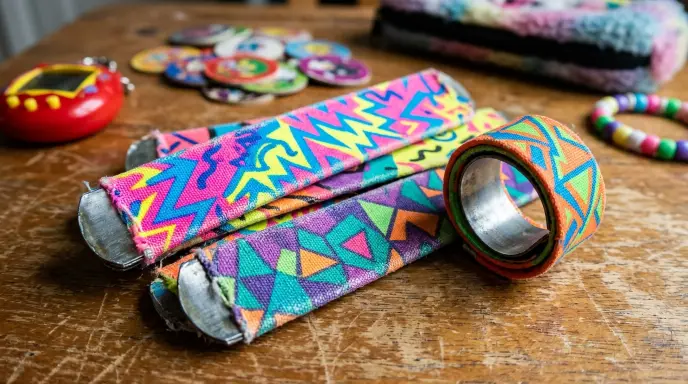
Formal writing often benefits from precise expressions rather than dramatic words. A word such as trend may work better than craze when you want an objective tone.
Short-Lived Trend
Meaning: A trend that becomes popular but does not last for a long time.
Explanation: This is one of the clearest formal alternatives because it preserves the temporary nature of fad.
Example: The company adjusted its marketing strategy in response to the short-lived trend.
Best Use: Reports, essays, business writing, and analytical articles.
Worst Use: Very casual conversation, where the phrase may sound unnecessarily formal.
Tone: Neutral and professional.
Temporary Fashion
Meaning: A style or practice that is fashionable for a limited period.
Explanation: This works especially well when discussing clothing, design, lifestyle, or cultural preferences.
Example: The bright color became a temporary fashion among young consumers.
Best Use: Fashion, design, culture, and historical writing.
Worst Use: A technological product or business strategy where trend may be more natural.
Tone: Formal and descriptive.
Passing Trend
Meaning: A popular development that is not expected to last.
Explanation: This phrase directly highlights the temporary nature of a fad.
Example: Some analysts viewed the product as a passing trend rather than a lasting change in consumer behavior.
Best Use: Business analysis, journalism, and academic writing.
Worst Use: A subject that has already demonstrated long-term popularity.
Tone: Neutral and analytical.
Temporary Phenomenon
Meaning: Something that attracts attention or popularity for a limited period.
Explanation: Phenomenon is broader than fad. It does not necessarily mean something superficial or fashionable.
Example: The online challenge became a temporary phenomenon among teenagers.
Best Use: Academic and analytical writing.
Worst Use: Simple everyday situations where the phrase may sound too technical.
Tone: Formal.
Short-Lived Phenomenon
Meaning: An event, behavior, or development that attracts attention but lasts only briefly.
Explanation: This is useful when the subject is larger than a simple fashion.
Example: The television program became a short-lived phenomenon before public interest declined.
Best Use: Journalism, cultural analysis, and research writing.
Worst Use: Very small or ordinary examples where trend would be clearer.
Tone: Formal and descriptive.
Popular Tendency
Meaning: A behavior or preference that is common among a group.
Explanation: This is broader and less judgmental than fad. It does not necessarily imply that the tendency will disappear soon.
Example: The survey identified a popular tendency toward shorter digital content.
Best Use: Research and analytical writing.
Worst Use: A clearly temporary craze.
Tone: Formal and neutral.
Contemporary Trend
Meaning: A current pattern, style, or preference.
Explanation: This phrase emphasizes what is happening now rather than whether it will disappear quickly.
Example: The report examines contemporary trends in online education.
Best Use: Academic papers, business reports, and market research.
Worst Use: When you specifically need to criticize something as temporary.
Tone: Professional and neutral.
Temporary Movement
Meaning: A short-term movement involving a group of people or ideas.
Explanation: Movement can suggest organized social activity, so it is not always interchangeable with fad.
Example: The campaign proved to be a temporary movement rather than a sustained social effort.
Best Use: Social and cultural discussions.
Worst Use: Describing a simple clothing or consumer preference.
Tone: Formal.
Current Fashion
Meaning: A style or practice that is popular at the present time.
Explanation: It works particularly well for clothing, design, entertainment, and lifestyle topics.
Example: Minimalist interiors have become a current fashion in some urban homes.
Best Use: Fashion, design, and cultural writing.
Worst Use: Academic discussions where a more precise term such as trend is needed.
Tone: Neutral.
Popular Phenomenon
Meaning: Something that attracts widespread attention or participation.
Explanation: Unlike fad, this expression does not automatically suggest that the popularity is temporary.
Example: The application became a popular phenomenon among university students.
Best Use: Articles, reports, and cultural analysis.
Worst Use: When short duration is central to the meaning.
Tone: Neutral to formal.
Semi-Formal and Neutral Alternatives

For most everyday writing, neutral alternatives are easier to use because they communicate the idea without sounding exaggerated.
Trend
Meaning: A general direction in which something is developing.
Explanation: Trend is one of the most useful alternatives, but it is not an exact synonym. A trend can last for years, while a fad is usually short-lived.
Example: Plant-based products have become a noticeable consumer trend.
Best Use: Business, websites, reports, conversations, and general writing.
Worst Use: When you specifically need to show that something became popular and disappeared quickly.
Tone: Neutral.
Craze
Meaning: A strong and widespread enthusiasm for something.
Explanation: Craze is very close to fad, but it often suggests stronger excitement.
Example: The new collectible became a craze among students.
Best Use: Popular culture, entertainment, products, and everyday writing.
Worst Use: Formal academic analysis when a neutral term is preferred.
Tone: Informal to neutral.
Vogue
Meaning: A style or activity that is widely popular at a particular time.
Explanation: Vogue focuses on being fashionable or socially popular. It is close to fad, but it does not always imply that the trend is foolish or short-lived.
Example: Natural materials were in vogue during the decade.
Best Use: Fashion, culture, history, and polished writing.
Worst Use: Casual messages where trend or craze may sound more natural.
Tone: Neutral to formal.
Fashion
Meaning: A popular style, practice, or way of doing something.
Explanation: Fashion can refer to clothing, but it can also describe broader cultural preferences.
Example: Working from cafés became a popular fashion among some freelancers.
Best Use: Style, culture, design, and lifestyle writing.
Worst Use: Technical contexts where trend is more precise.
Tone: Neutral.
Mania
Meaning: Extremely strong enthusiasm or excitement about something.
Explanation: Mania suggests greater intensity than fad. It should not automatically be used for every temporary trend.
Example: There was a brief mania for collectible digital items.
Best Use: Situations involving unusually strong public excitement.
Worst Use: Calm or ordinary popularity.
Tone: Strong and expressive.
Sensation
Meaning: Something that suddenly attracts widespread attention or excitement.
Explanation: A sensation may be a fad, but it does not necessarily imply that its popularity will be short-lived.
Example: The video became an overnight sensation.
Best Use: Entertainment, social media, news, and popular culture.
Worst Use: Formal analysis where the reason for popularity needs to be stated precisely.
Tone: Energetic.
Rage
Meaning: A thing that is extremely fashionable or popular for a period.
Explanation: In this sense, rage is an older or more literary expression and is less common in modern everyday American English than craze or trend.
Example: The dance was all the rage for a short period.
Best Use: Historical writing, expressive prose, or the fixed expression “all the rage.”
Worst Use: Formal modern business writing.
Tone: Expressive and somewhat dated.
Passing Phase
Meaning: A temporary period of interest or behavior.
Explanation: This is useful when discussing a person’s or group’s temporary interest rather than a broad public trend.
Example: Her interest in collecting vintage cameras was only a passing phase.
Best Use: Personal interests and temporary behavior.
Worst Use: A major social or economic development.
Tone: Neutral and conversational.
Temporary Enthusiasm
Meaning: Strong interest that does not continue for long.
Explanation: This focuses on people’s excitement rather than the trend itself.
Example: The campaign generated temporary enthusiasm but did not change long-term buying habits.
Best Use: Business, marketing, and social analysis.
Worst Use: Fashion-related contexts where vogue may be more precise.
Tone: Neutral.
Popular Craze
Meaning: A widely shared period of strong enthusiasm.
Explanation: This combines two ideas already associated with fad: popularity and excitement.
Example: The game became a popular craze after its release.
Best Use: Informal articles and popular culture.
Worst Use: Academic writing, where it may sound repetitive.
Tone: Informal to neutral.
Informal and Casual Alternatives

Casual speech has several natural ways to describe a fad, although these are not always exact synonyms.
The Latest Thing
Meaning: Something currently popular or widely discussed.
Example: Everyone at school wanted to try the latest thing.
When it sounds natural: Friendly conversation and casual writing.
When to avoid it: Academic essays, formal reports, and professional documents.
Tone: Very casual.
Big Thing
Meaning: Something currently considered important, exciting, or popular.
Example: That game is the big thing among my friends right now.
When it sounds natural: Everyday conversation.
When to avoid it: Formal communication.
Tone: Casual.
New Obsession
Meaning: Something that people are suddenly extremely interested in.
Example: The new series became everyone’s latest obsession.
When it sounds natural: Social media, entertainment, and conversations.
When to avoid it: Serious professional analysis unless you are intentionally using informal language.
Tone: Casual and expressive.
Hot Trend
Meaning: Something currently attracting a lot of attention.
Example: Short-form video is still a hot trend in online marketing.
When it sounds natural: Marketing, social media, and casual business conversation.
When to avoid it: Formal academic writing.
Tone: Casual and energetic.
Big Hit
Meaning: Something that becomes very successful or popular.
Example: The new toy was a big hit during the holiday season.
When it sounds natural: Products, entertainment, games, and everyday speech.
When to avoid it: When you specifically mean a temporary trend rather than success.
Tone: Casual.
True Synonyms vs. Contextual Alternatives
Not every word in a synonym list can replace fad in every sentence. The most important difference is whether the alternative includes the idea of temporary popularity.
| Type | What It Means | Can It Replace the Original? |
|---|---|---|
| True synonym | A word with nearly the same core meaning | Usually, depending on context |
| Near synonym | Similar meaning with a difference in intensity or emphasis | Sometimes |
| Contextual alternative | Works in particular situations but changes part of the meaning | Only in suitable contexts |
| Broader expression | Covers a larger category than a fad | Sometimes, but meaning becomes less specific |
| Narrower expression | Describes a particular kind of fad | Only when that specific meaning applies |
Craze is among the closest alternatives because both words describe temporary popularity and enthusiasm. Trend is broader because a trend can be long-lasting. Vogue focuses more on fashion and social popularity. Mania emphasizes intensity. Passing phase focuses on temporary interest, often by an individual. Flash in the pan is an idiomatic expression for something that enjoys sudden success or attention but quickly fades.
Industry-Specific Usage
Business Writing
Business writers often use trend, market trend, consumer trend, or short-lived trend instead of fad.
For example:
The company should distinguish between a lasting consumer trend and a short-lived craze.
This wording is useful because businesses may need to separate temporary demand from a lasting change in customer behavior.
Corporate Communication
In reports and internal documents, neutral language is usually clearer.
Instead of:
This product is just a fad.
A corporate report might say:
The product may represent a short-term consumer trend.
The second sentence is less judgmental and leaves room for evidence.
Academic Writing
Academic writing generally benefits from precise terms such as short-lived trend, temporary phenomenon, popular tendency, or emerging trend.
For example:
The study examines whether the practice represents a temporary trend or a sustained behavioral change.
This is more precise than simply calling the practice a fad.
Customer Service
Customer-service writing should usually avoid language that dismisses a customer’s interests.
Instead of:
That product is just a fad.
A better approach is:
That product has recently become very popular.
This describes the situation without making an unsupported judgment about its long-term value.
Legal Writing
Legal documents require particular care because fad, craze, and trend are generally descriptive words rather than precise legal terms.
If a contract, regulation, or dispute depends on duration, popularity, or market behavior, the relevant facts should be stated specifically rather than relying on a vague synonym.
For example, temporary market trend and short-term consumer demand may describe different things. The appropriate wording depends on the document and the facts involved.
Email Examples

Client Communication
Subject: Consumer Interest in the New Product
Hi Daniel,
I wanted to share a quick update on customer interest in the new product. Sales have increased significantly over the past few weeks, but we are still monitoring whether this is a short-lived trend or a sustained change in demand.
I’ll include the latest figures in next week’s report.
Best,
Aqsa
Project Update
Subject: Update on Current Market Trends
Hi Team,
Our recent review shows growing interest in the new design style. At this stage, we are treating it as a current trend rather than assuming that it will have a lasting impact on the market.
We’ll continue tracking customer behavior before making any major changes.
Best,
Aqsa
Academic Communication
Subject: Question About the Research Topic
Dear Professor,
I am considering writing my assignment about the rise of short-lived social media trends. I would like to examine why some online trends attract large audiences but lose attention within a short period.
Please let me know if this would be suitable for the assignment.
Sincerely,
Aqsa
Vendor Communication
Subject: Product Demand Review
Hello Mark,
Thank you for the updated product information.
We have noticed strong customer interest, although it is still too early to determine whether this is a temporary phenomenon or a longer-term shift in demand. We would therefore prefer to review another month of sales data before increasing the order.
Regards,
Aqsa
Internal Workplace Email
Subject: Social Media Campaign Results
Hi Sarah,
The campaign has generated a lot of attention this week. The response appears to be more than a brief craze, but we should wait for the next few weeks of engagement data before drawing a firm conclusion.
I’ll send the updated results on Friday.
Thanks,
Aqsa
Short Dialogue Examples
Workplace
Person A: Do you think this new marketing style will last?
Person B: I’m not sure. It could be a passing trend, so I’d like to see more customer data first.
Classroom
Person A: Why did everyone start using that phrase?
Person B: It became a craze online. I think people just copied what they saw.
Customer Service
Person A: Is this product going to stay popular?
Person B: It has become a current trend, but we cannot predict how long that interest will continue.
Casual Conversation
Person A: Are you still collecting those figures?
Person B: No. That was just a passing phase for me.
Professional Discussion
Person A: Should we redesign the entire product around this style?
Person B: I would wait. It may be a short-lived trend rather than a lasting change.
How to Replace “Fad” in a Sentence
Example 1
Original: The new toy became a fad among children.
Alternative: The new toy became a craze among children.
Why it works: Craze preserves the idea of strong, temporary popularity and adds a sense of excitement.
Example 2
Original: Some people believe the app is only a fad.
Alternative: Some people believe the app is only a passing trend.
Why it works: Passing trend sounds more neutral and is suitable for analytical writing.
Example 3
Original: The style was a fad in the early 2000s.
Alternative: The style was in vogue in the early 2000s.
Why it works: In vogue emphasizes that the style was fashionable at that time.
Example 4
Original: The diet became a fad.
Alternative: The diet became a popular trend.
Why it works: Popular trend is more neutral, although it does not strongly suggest that the trend will disappear.
Example 5
Original: The online challenge was a fad.
Alternative: The online challenge became a short-lived phenomenon.
Why it works: This sounds more formal and emphasizes the limited duration of its popularity.
Example 6
Original: Her interest in painting was just a fad.
Alternative: Her interest in painting was just a passing phase.
Why it works: Passing phase fits a temporary personal interest better than trend.
Example 7
Original: The product became a fad after the celebrity mentioned it.
Alternative: The product became an overnight sensation after the celebrity mentioned it.
Why it works: Sensation emphasizes the sudden attention, although it does not guarantee that the popularity will be temporary.
Example 8
Original: The company does not want to invest heavily in a fad.
Alternative: The company does not want to invest heavily in a short-lived consumer trend.
Why it works: The alternative is more specific and professional for business writing.
Example 9
Original: This social media fad disappeared quickly.
Alternative: This social media craze disappeared quickly.
Why it works: Craze is natural for intense online excitement.
Example 10
Original: The hairstyle was a fad during that decade.
Alternative: The hairstyle was a popular fashion during that decade.
Why it works: Fashion works well when discussing styles and appearance.
Comparison Table
| Phrase | Tone | Meaning / Scope | Best Use | Example |
|---|---|---|---|---|
| Fad | Neutral | Temporary popularity | General writing | The toy became a fad. |
| Craze | Informal/neutral | Strong temporary enthusiasm | Popular culture | The game became a craze. |
| Trend | Neutral | A developing pattern or popular direction | Business and general writing | It is a growing trend. |
| Vogue | Formal/neutral | Fashionable at a particular time | Fashion and culture | The style was in vogue. |
| Mania | Expressive | Very strong enthusiasm | Popular culture | The product caused a brief mania. |
| Passing trend | Neutral | A trend expected to be temporary | Business and analysis | It may be a passing trend. |
| Temporary phenomenon | Formal | Attention or popularity for a limited time | Academic writing | It was a temporary phenomenon. |
| Passing phase | Neutral | Temporary interest or behavior | Personal situations | It was a passing phase. |
| Sensation | Expressive | Something suddenly attracting attention | Media and entertainment | The video became a sensation. |
| Flash in the pan | Informal/idiomatic | Brief success or attention | Casual writing | The project proved to be a flash in the pan. |
Which Alternative Should You Choose?
For Formal Writing
Use short-lived trend, temporary phenomenon, or passing trend. These phrases are clear without sounding overly dramatic.
For Business Communication
Use trend, consumer trend, market trend, or short-term trend. These expressions are usually more objective than fad.
For Academic Writing
Use short-lived trend, temporary phenomenon, or emerging trend, depending on the evidence and meaning.
For Legal Writing
Avoid replacing fad with another vague word simply for stylistic variety. State the relevant facts precisely, especially if duration or market behavior matters.
For Professional Email
Use trend, temporary trend, or short-lived phenomenon when you want a measured tone.
For Everyday Conversation
Use fad, craze, trend, or passing phase, depending on what you mean.
For Casual Messages
Use craze, new obsession, latest thing, or big thing when the context is informal.
Grammar and Usage Guide
“A Fad” as a Countable Noun
Fad is normally a countable noun.
Correct:
That hairstyle was a fad.
Several fads appeared during the decade.
Incorrect:
That hairstyle was fad.
Common Prepositions
The most natural prepositions depend on the sentence.
You can say:
a fad among teenagers
a fad in fashion
a fad during the 1990s
a fad for collectible toys
The phrase fad among is particularly useful when identifying the group that follows the trend.
“Fad” vs. “Trend”
These words are related but not identical.
A trend can be long-lasting and does not necessarily disappear quickly.
A fad usually suggests temporary popularity.
Compare:
Remote work became a major workplace trend.
This does not say the trend is temporary.
A particular remote-work app became a fad.
This suggests that the app itself attracted temporary attention.
“Fad” vs. “Fashion”
Fashion can describe a popular style or practice, especially in clothing and design. It does not necessarily imply that the popularity is brief.
“Fad” vs. “Craze”
A craze usually emphasizes excitement and enthusiasm. A fad emphasizes temporary popularity.
Capitalization
The word fad is normally lowercase unless it begins a sentence or appears in a title where title-style capitalization is being used.
Correct:
The product became a fad.
Plural Form
The plural is fads.
Example:
Consumer fads can influence short-term buying behavior.
Common Mistakes to Avoid
1. Treating “Trend” as an Exact Synonym
A trend can last for a very long time. Calling every trend a fad adds an assumption about its duration.
2. Using “Mania” for Ordinary Popularity
Mania suggests unusually strong enthusiasm. It can sound exaggerated if the subject is only moderately popular.
3. Using “Vogue” in Casual Speech
Vogue is correct, but expressions such as trend or craze are often more natural in everyday American English.
4. Calling a Personal Interest a Social Trend
If only one person is interested in something, passing phase may be more accurate than fad or trend.
5. Using “Sensation” When You Mean Temporary Popularity
A sensation can remain popular for a long time. The word mainly emphasizes sudden attention.
6. Using Casual Expressions in Academic Writing
Words such as big thing and new obsession can weaken the tone of a research paper.
7. Making a Judgment Without Evidence
Calling something a fad can imply that it lacks lasting value. In analytical writing, short-lived trend may be more neutral when the duration is not yet known.
8. Replacing Words Without Checking the Sentence
A synonym may have a different grammatical pattern. For example, you can say something is in vogue, but you would not normally replace that structure with in craze.
When Not to Use the Original Word
There are several situations in which another expression may communicate your meaning more accurately.
When You Need a Neutral Business Tone
Use trend or short-term consumer trend if fad sounds dismissive.
When You Are Writing an Academic Paper
Consider temporary phenomenon or short-lived trend when you need precise, analytical language.
When You Are Describing Personal Interest
Use passing phase if the subject concerns one person’s temporary interest.
When You Mean Fashion Specifically
Use vogue or fashion when the subject is a style or practice that is fashionable.
When You Mean Strong Excitement
Use craze or mania when the intensity of public enthusiasm matters.
When You Mean Sudden Attention
Use sensation when something suddenly attracts widespread attention.
When the Duration Is Unknown
Use trend rather than fad if you do not have enough evidence to say that the popularity is temporary.
When “Fad” Is Actually the Best Choice
Keep fad when you want to clearly communicate the combination of temporary popularity and widespread interest. It is short, familiar, and effective in general writing.
Advanced Writer Tips
Tone Control
Small word choices can change the tone considerably.
Compare:
The product is a fad.
The product is a short-lived trend.
The product has become a craze.
The first is direct. The second is measured and analytical. The third emphasizes excitement.
Professional Email Etiquette
Professional emails usually benefit from neutral wording. Instead of describing a new customer preference as a fad, consider whether emerging trend or recent trend better reflects what you actually know.
Politeness
Fad can sometimes sound dismissive because it may suggest that people are following something without much reason. If you are speaking to someone who supports the trend, a neutral term such as current trend can sound more respectful.
Context Alignment
Think about four questions before choosing an alternative:
- Is the popularity temporary?
- Is there strong excitement?
- Is the subject fashionable?
- Am I discussing one person’s interest or a wider social pattern?
The answers will often tell you whether fad, craze, trend, vogue, or passing phase is appropriate.
Precision
Avoid choosing a synonym simply because it sounds sophisticated. A simple word that accurately describes the situation is better than a complex word that changes the meaning.
Readability
For general readers, trend, craze, and fad are usually easier to understand than temporary phenomenon. Use the more formal phrase when the context actually benefits from it.
Related Questions
What is another way to say “fad”?
Common alternatives include craze, trend, vogue, fashion, passing trend, short-lived trend, and temporary phenomenon. The best choice depends on whether you want to emphasize popularity, excitement, fashion, or short duration.
What is a professional alternative to “fad”?
Short-lived trend, temporary trend, and temporary phenomenon are useful professional alternatives. In business writing, consumer trend or market trend may be more precise.
What is a formal alternative to “fad”?
Good formal options include short-lived trend, temporary phenomenon, temporary fashion, and passing trend.
Is “fad” a formal word?
Fad is a standard English word and is not inherently incorrect in formal writing. However, it can sound somewhat judgmental or informal depending on context. Academic and business writers may prefer a more precise expression.
Can “trend” replace “fad”?
Sometimes. Trend is broader and more neutral. It does not necessarily imply that the popularity will be short-lived, so the two words are not always interchangeable.
What is the difference between “fad” and “craze”?
Both describe temporary popularity, but craze usually places more emphasis on intense public enthusiasm. Fad focuses more on the temporary nature of the popularity.
What is the difference between “fad” and “fashion”?
Fashion describes something that is currently popular or stylish and can apply especially to clothing and design. Fad usually carries a stronger sense of temporary popularity.
FAQs
What is the closest synonym for fad?
Craze is one of the closest alternatives because both words describe something that becomes very popular for a limited period. However, craze often suggests stronger excitement, while fad more directly emphasizes temporary popularity.
Is “trend” the same as “fad”?
No. A trend is a broader concept. It can continue for a long time, while a fad usually has a short life span. Use trend when duration is uncertain or when you want neutral wording.
Is “vogue” a synonym for fad?
It can be a contextual synonym. Vogue describes something fashionable or widely accepted at a particular time, but it does not always suggest that the popularity will quickly disappear.
What is a formal way to say “fad”?
Short-lived trend, temporary phenomenon, and passing trend are useful formal alternatives. Choose based on whether you want to emphasize duration, popularity, or a broader social development.
What is a casual word for fad?
Craze is a natural casual alternative. Expressions such as new obsession, latest thing, and big thing can also work in informal conversations, although they are not exact synonyms.
Can “passing phase” replace “fad”?
Sometimes. Passing phase is especially suitable for a temporary personal interest or behavior. It is less appropriate for a major social, cultural, or commercial trend.
Is “mania” stronger than “fad”?
Usually, yes. Mania suggests an unusually high level of excitement or enthusiasm. It should be used when that intensity is genuinely part of the meaning.
Key Takeaways
- Fad usually describes something that becomes popular quickly and loses popularity after a relatively short time.
- Craze is a close alternative that adds a stronger sense of excitement or enthusiasm.
- Trend is broader and more neutral because a trend can continue for a long time.
- Short-lived trend and temporary phenomenon work well when you need a more professional or academic tone.
- Choose the alternative based on whether you want to emphasize duration, excitement, fashion, popularity, or personal interest.
Conclusion
The best synonym for fad depends on the meaning you want to preserve. Craze works when strong enthusiasm is central, while trend is a broader and more neutral choice.
Vogue fits fashionable styles, passing phase works well for temporary personal interests, and short-lived trend is useful in professional or academic writing.
Temporary phenomenon provides a formal option when the subject has attracted attention for a limited period.
Before replacing fad, consider whether the original word’s sense of temporary popularity matters. If it does, choose an expression such as passing trend or short-lived trend.
If you only mean something is currently popular, trend may be more accurate.
The goal is not to choose the most sophisticated synonym, but the word that matches your audience, tone, and exact meaning.